Of all the factors that influence a child's dental health, the most powerful by far is their parent. The habits, attitudes, and routines established at home in the first years of a child's life shape their teeth - and their relationship with dental care - for decades. This guide covers the most important things parents can do at every stage.
The good news: Children's dental disease is almost entirely preventable. The steps outlined in this guide, consistently applied, are highly effective at protecting your child's teeth throughout their development.
Why Parents Make the Difference
Children cannot effectively brush their own teeth until around age 7-8, when manual dexterity is sufficiently developed. Before then, they need parental help for at least part of the brushing routine. They also rely on parents for their food and drink choices, their attitudes to dental care, and whether they attend regular dental appointments.
Research consistently shows that children whose parents actively engage with their dental care have significantly less tooth decay, less dental anxiety, and better long-term oral health outcomes.
Age-by-Age Guide for Parents
Before the First Tooth (0-6 Months)
Dental care starts before teeth appear. Wipe your baby's gums with a clean, damp cloth after feeds. This removes milk residue, establishes a routine, and gets your baby used to the sensation of having their mouth cleaned - making the transition to toothbrushing much easier.
Avoid sharing spoons, forks or cutlery with your baby, and do not clean a dummy by putting it in your own mouth. The bacteria that cause tooth decay can be transmitted from parent to baby through saliva contact - and the earlier a child is colonised with decay-causing bacteria, the higher their long-term risk of cavities.
First Tooth (Around 6 Months)
Start brushing as soon as the first tooth appears. Use a soft baby toothbrush and a smear of fluoride toothpaste containing at least 1,000ppm fluoride (check the tube - not all children's toothpastes contain enough fluoride). Brush morning and last thing at night. After brushing, spit out the excess toothpaste but do not rinse - rinsing removes the protective fluoride.
Booking tip: The NHS recommends bringing children to the dentist as soon as their first tooth appears, or by their first birthday at the latest. Early visits are gentle and positive - they exist to build familiarity, not to do anything scary.
6 Months to 3 Years - The Most Important Window
This period is critical. The habits and attitudes formed now tend to persist. Key priorities:
- No bottle at bedtime - milk, formula and juice in a bottle at sleep time is the main cause of baby bottle tooth decay. If your child needs a bottle to settle, use plain water only
- Never dip dummies in anything sweet - honey (also dangerous for babies under 12 months due to botulism risk), jam, sugar or juice
- Limit fruit juice entirely - it has a similar sugar content and acidity to fizzy drinks. If given, dilute heavily and offer only at mealtimes in a cup
- Transition from bottle to cup at 12 months - cups reduce liquid contact time with teeth significantly
Ages 3-7 - Building the Habit
Children at this age want to do things themselves - including brushing their own teeth. Let them try, but always finish the brushing for them. Use a pea-sized amount of fluoride toothpaste (1,000-1,450ppm). Make brushing part of the routine - same time, every day, as non-negotiable as putting on pyjamas.
Diet advice that makes a real difference:
- Every time a sugary food or drink is consumed, teeth are under acid attack for 30-40 minutes. Three meals with something sweet means three acid attacks. Frequent sugary snacks mean near-constant acid attack
- Keep treats to mealtimes - the same amount of sugar causes far less damage when consumed in one sitting compared to being spread across the day
- Cheese, plain milk and water are all tooth-friendly between-meal options
- Read food labels - many foods marketed at children (raisins, fruit pouches, flavoured yoghurts) have high sugar content
Start attending dental appointments every 6 months if not already. At this age the permanent teeth are forming under the gums, and early detection of any issues with development is valuable.
Ages 7-12 - The Sealant Years
Around ages 6-7, the first permanent molars appear. These are the most important teeth in the mouth - they are the foundations of the adult bite and last a lifetime. They are also the most cavity-prone teeth because of their deep grooves and fissures.
Ask your dentist about fissure sealants as soon as these teeth appear. A sealant is a thin protective coating painted onto the biting surface - painless, taking minutes, and highly effective at preventing decay in the grooves. Second molars appear around 11-13 years and should also be sealed.
Continue supervising brushing until at least age 10. Research shows children benefit from parental checking of brushing well past the age at which most parents stop. A quick check with a disclosing tablet once a week shows exactly where plaque is being missed.
Fissure sealants reduce the risk of decay in back teeth by up to 80%. At Accord Dental Practice, fissure sealants cost £40 per tooth (£36 with the Accord Kids Essentials plan).
Teenagers - The High-Risk Years
Teenagers are at higher risk of dental problems for several reasons: increasing independence from parental supervision, energy drinks and excessive fruit juice, irregular brushing routines, and the arrival of wisdom teeth. This is also when orthodontic treatment often begins, which requires extra diligence with oral hygiene around braces.
Key advice for parents of teenagers:
- Energy drinks are highly acidic and high in sugar - major cause of enamel erosion and decay in teenagers. The guidance is clear: avoid them entirely
- If your teenager has fixed braces, brush after every meal and use interdental brushes around the brackets
- Continue 6-monthly dental check-ups - do not assume teenagers will maintain their own appointments
- Sports mouthguards - if they play contact sports, a custom-fitted guard from the dentist offers significantly better protection than pharmacy guards
Fluoride - The Most Important Tool
Fluoride is the single most effective preventative tool available for children's dental health. It strengthens enamel, remineralises early decay, and inhibits decay-causing bacteria. Using fluoride toothpaste correctly from the moment the first tooth appears has the greatest impact of any single action parents can take.
In addition to toothpaste, fluoride varnish applied by a dentist or dental nurse every 6 months provides a significant additional protective effect. It is recommended for all children from age 3, included in the Accord Kids Essentials plan, and available at every check-up appointment.
Making Dental Visits Positive
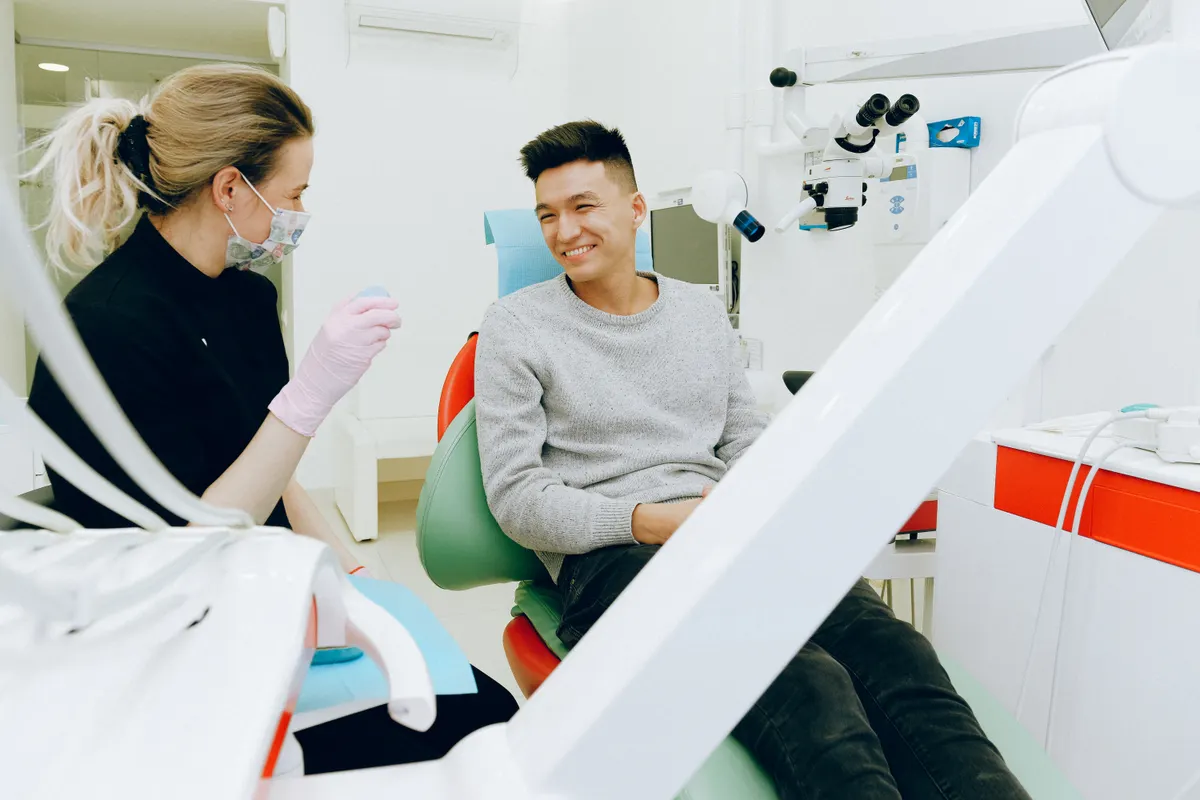
One of the greatest gifts you can give your child is a positive relationship with dental care that carries into adulthood. Anxiety about the dentist is extremely common and very often traces back to a frightening early experience - or to having absorbed parental anxiety.
- Avoid saying things like "it won't hurt" - this plants the idea that it might
- Do not share your own dental anxiety with your child - save those conversations for when children are not present
- Frame dental visits positively - "the dentist counts your teeth and makes sure they're strong"
- Start early - children who visit the dentist from infancy are far less likely to develop dental anxiety
- Choose a practice where you can see that children are genuinely welcomed and given extra time
Children's dental health is very much a team effort between parents and the dental practice. At Accord Dental Practice in Camberley we see ourselves as partners in your child's dental health - providing the professional care, the preventative treatments, and the guidance, while you provide the daily consistency at home that makes the real difference. Book your child's appointment or call 01276 984356.